The dryer is where laundry goes to be damaged. Washers get blamed for shrinkage and ruined elastic, but heat and tumble time in the dryer do most of the actual harm, and they do it in a single cycle. The rules are not complicated once they are organized by fabric rather than by folklore. Cotton shrinks. Synthetics melt and glaze. Elastic gives up. Wool felts. Each of those is a heat rule, and a load sorted by fabric can obey all of them at once.
Run this checklist before you press start, at home or at the dryers in Forest City Coin Laundry.
Before you press start: the heat checklist
- Cotton tees, towels, and sheets: medium to high heat passes; check for the pre-shrunk label before using high on anything that fits closely
- Denim: medium heat passes; fail sign is a waistband that fits at home and not after, so pull jeans slightly damp if fit is exact
- Synthetics (polyester, nylon, athletic wear): low heat or tumble only; fail sign is a glazed, shiny patch or a crackled print, both permanent
- Elastic anything (waistbands, bras, swimwear, fitted sheets): low heat at most, air-dry preferred; heat-aged elastic fails by going wavy and loose
- Wool and wool blends: do not tumble unless the label explicitly allows it; the fail is felting, a smaller, denser garment that cannot be reversed
- Prints, logos, and embellishments: inside out, medium or lower; fail sign is a cracked or peeling graphic after one hot cycle
- Rubber-backed rugs and mats: air-dry or lowest heat; high heat cracks and crumbles the backing into the dryer
Why the tennis balls show up in dryer advice
The tennis balls in the dryer are not a folk remedy. In a load of bulky or filled items, down jackets, comforters, pillows, they bounce through the drum and physically break up clumps of wet fill, so air reaches the center and the item dries evenly instead of sealing damp pockets inside dry shell fabric. They also speed drying for towel loads by keeping items separated. Clean dryer balls do the same job without the faint hot-rubber smell. Use them where loft matters; they accomplish little in a load of flat shirts, and they are noisy enough that you will know they are working.
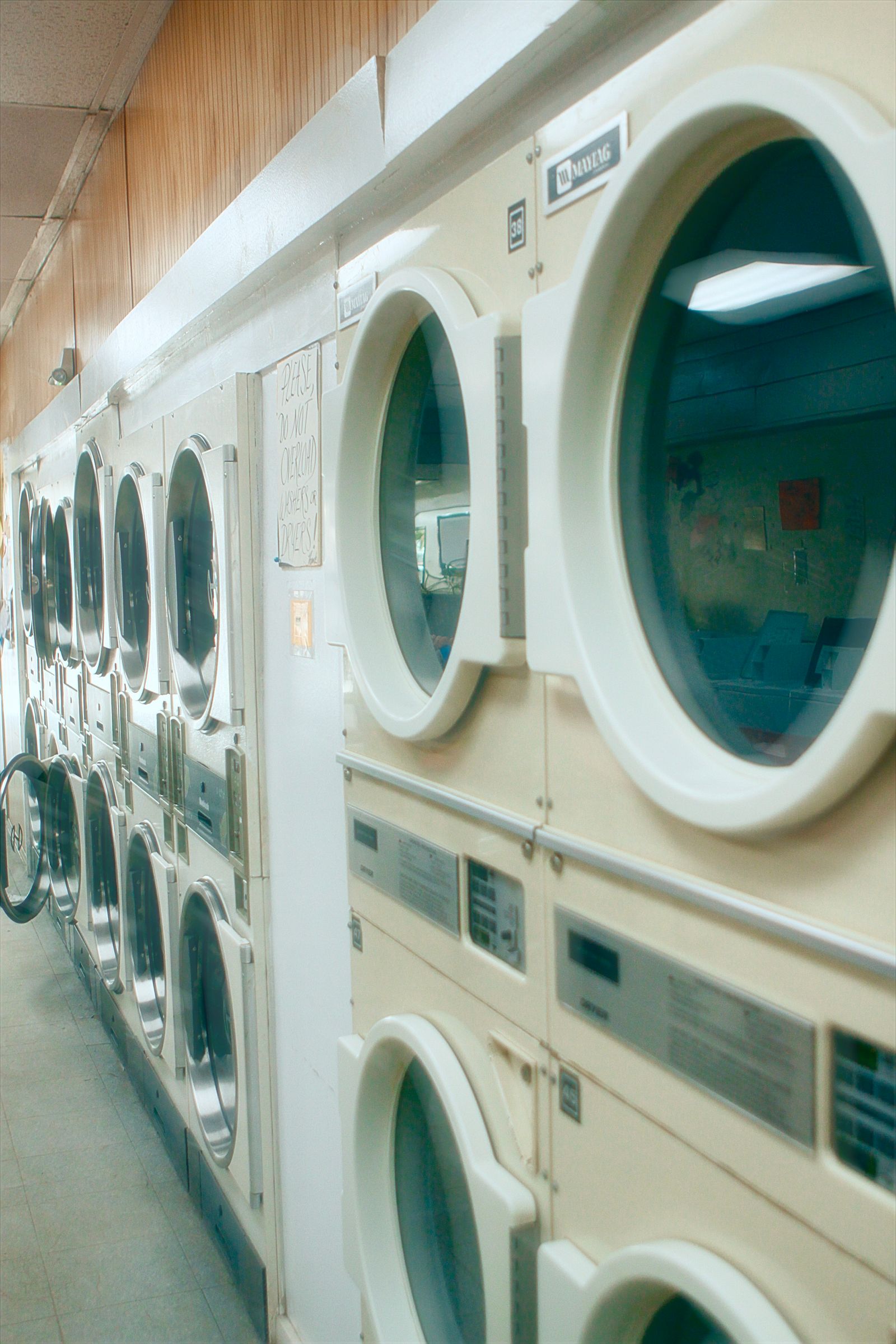
The damp-pull and other timing rules
Most dryer damage is over-drying rather than peak temperature. Clothes continue to shrink, fade, and cook their elastic for every minute they tumble already dry, and they build the static that makes folding miserable. The fix that professionals use is the damp pull: take shirts, blouses, and anything wrinkle-prone out while very slightly damp and hang them immediately, letting the last moisture evaporate on the hanger. The garment finishes smooth, skips the hottest minutes, and needs no iron. At a laundromat, where dryers run hot and fast, check a load five minutes before you think it is done. Your estimate, trained on a home dryer, will overshoot.
Reading the failure signs afterward
A load tells you what went wrong if you look. Everything slightly smaller and stiffer: heat too high or time too long for the cotton content. One garment ruined among survivors: it was the synthetic or the elastic item in a load set for towels. Lint trap overflowing after one load: a new towel or fleece shed heavily, and its fibers are also on the dark clothes. Static severe enough to fold socks to shirts: the load over-dried. Each sign points back to a checklist line, which is the point of running it in order next time.
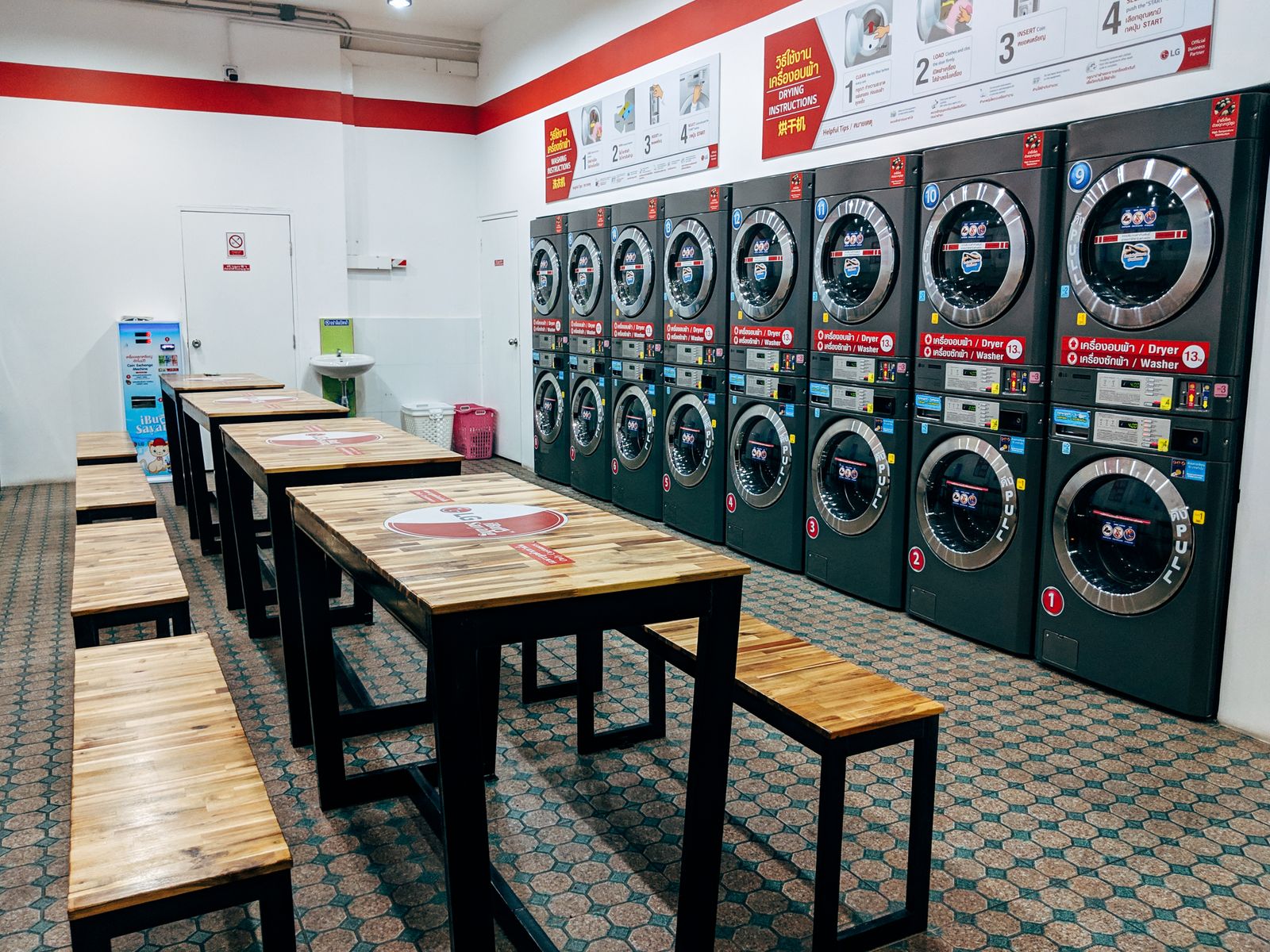
When in doubt, split the load
The most reliable dryer rule is structural: two smaller loads at the right heats beat one mixed load at a compromise heat that is wrong for half of it. Commercial dryers make splitting cheap, since you are not heating a home machine twice in sequence. Delicates and synthetics take the low dryer, towels and cotton take the hot one, and everything comes out in better condition than the compromise load would have managed. It is the same principle as sorting for the wash, applied to the machine that can actually hurt things.
Common questions
What heat should I use if I can only pick one setting?
Medium, for the shortest time that gets the load dry, with a check near the end. Medium is safe for most fabrics and only genuinely wrong for wool and the most delicate synthetics, which should not be in a compromise load anyway.
Why did my fitted sheets lose their stretch?
Heat ages elastic. Repeated hot cycles break down the elastic fibers in the corners and edges, so the sheet goes loose and wavy. Wash and dry elastic items cooler, and they keep their grip far longer.
Is air-drying always safer than the dryer?
For elastic, wool, prints, and delicates, yes. For towels and bedding it is slower and can leave them stiff or musty in humid weather, so a properly set dryer is the better tool for those loads.
Photos in this guide are representative stock images.
← All guides from Forest City Coin Laundry← Back to Forest City Coin Laundry