Sorting advice has a credibility problem. The traditional version involves a half dozen piles, a chart of water temperatures, and a time investment that guarantees most people abandon it and wash everything together forever. The truth is narrower and more useful: three sorts do nearly all the real work. Color protects against dye disasters. Weight protects fabric and gets loads clean and dry evenly. Lint protects dark clothes from looking permanently dusty. Master those three and you can safely ignore most of the rest.
Here is each sort, why it matters, and how to run it fast at home or at the tables in Forest City Coin Laundry.
Sort one: color, which is really about dye
The color sort exists to stop dye transfer, and its risk is concentrated, not uniform. The dangerous items are new garments, especially new dark and bright ones, which release loose dye in their first several washes. Whites and pale items are the victims, since they show every bit of transferred color. The workable system has three piles: whites and very lights, mid-tone colors, and darks plus anything new and vivid. New jeans, new red anything, and new dark towels wash separately or with their own kind until they stop bleeding, which you can test by pressing a damp white cloth to the fabric and checking for color. After those early washes, most garments are colorfast enough for the mid-tone pile, which is why the three-pile system stays fast in practice.
- Quarantine the new and vivid. New darks, brights, and anything with dye that has run before wash apart from lights until they prove colorfast over a few cycles.
- Split by weight next. Heavy items (jeans, towels, hoodies) wash together; lights (tees, sheets, underwear) wash together. Mixed loads clean unevenly and dry unevenly.
- Isolate the lint shedders. New towels, fleece, flannel, and chenille shed lint that lands on everything, worst of all on dark smooth fabrics. They get their own load or ride with their own kind.
- Empty pockets and close fasteners on every pile. Zippers shut, bras clasped, straps tied. Open zippers are tiny saws in a tumbling load, and this step takes a minute across the whole hamper.
- Pull the exceptions before the machine. The wool sweater, the silk blouse, the item labeled hand wash: sorting is also when special-care items leave the system entirely instead of surviving it by luck.
Sort two: weight, the one nobody was taught
Weight sorting is about physics. A load of towels and jeans takes longer to dry than a load of shirts, so a mixed load finishes with the shirts baked and the towels still damp, or the dryer runs long enough for both and wastes the difference. In the wash, heavy items dominate the tumble and can batter lighter fabrics, while a load of only heavy denim can unbalance a machine. Weight also decides water and detergent effectiveness: a drum of dense cotton holds far more soil and water than its size suggests. Grouping like weights gives you an even clean, an even dry, and cycles you can set by the load instead of by the slowest item in it.
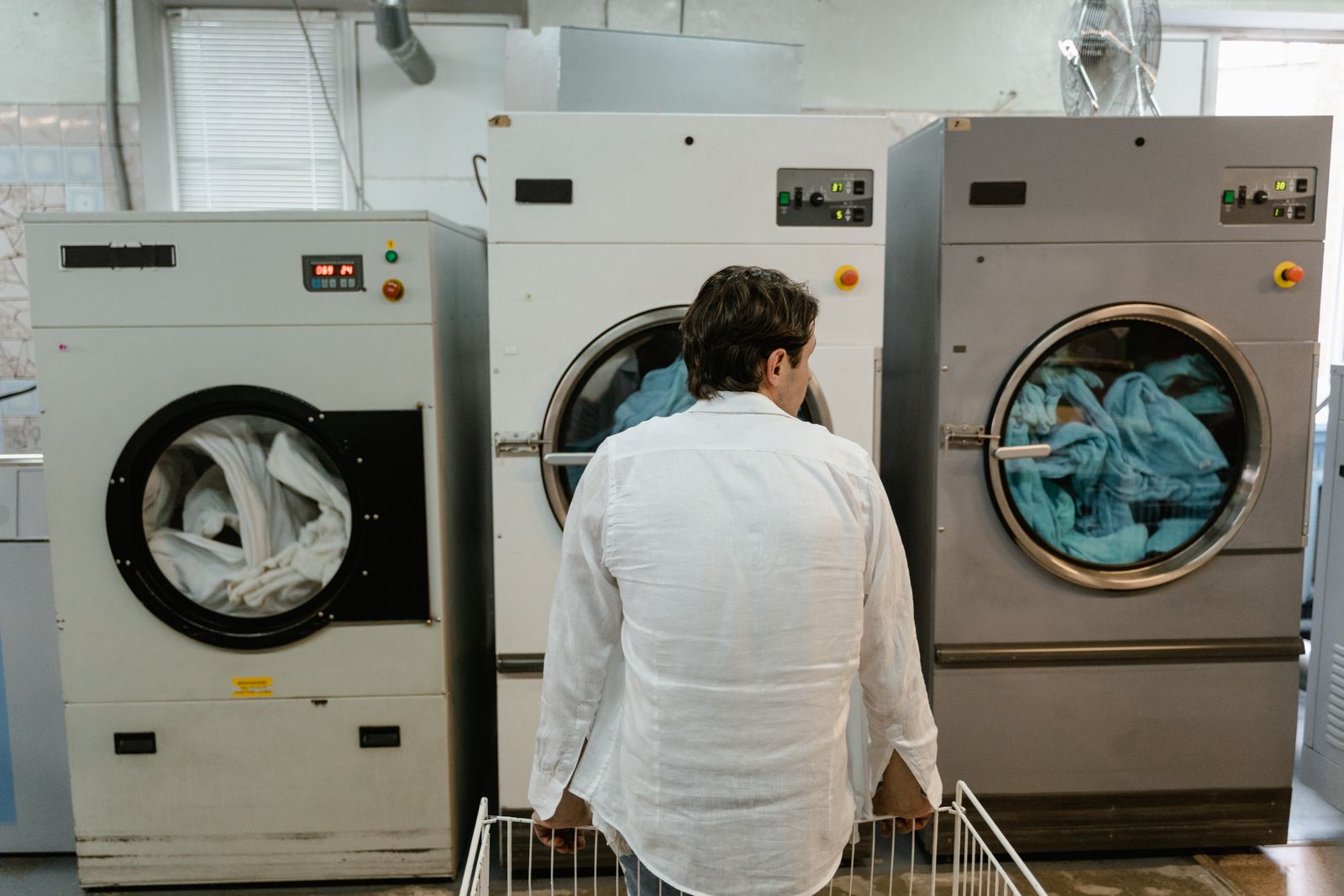
Sort three: lint, the visible one
Lint is shed fiber, and the shedders are predictable: towels, especially new ones, fleece, flannel, sweatshirts, and anything with a brushed or fuzzy surface. The receivers are smooth dark fabrics, which display lint like a bulletin board. Keeping the two groups apart is the entire strategy, with one refinement: turn lint-receiving dark clothes inside out, which also protects their color from abrasion fading, and turn lint-shedding items right side out so the fibers release into the water rather than into their own folds. Corduroy and similar napped fabrics are champion receivers and should never share a load with a new towel.
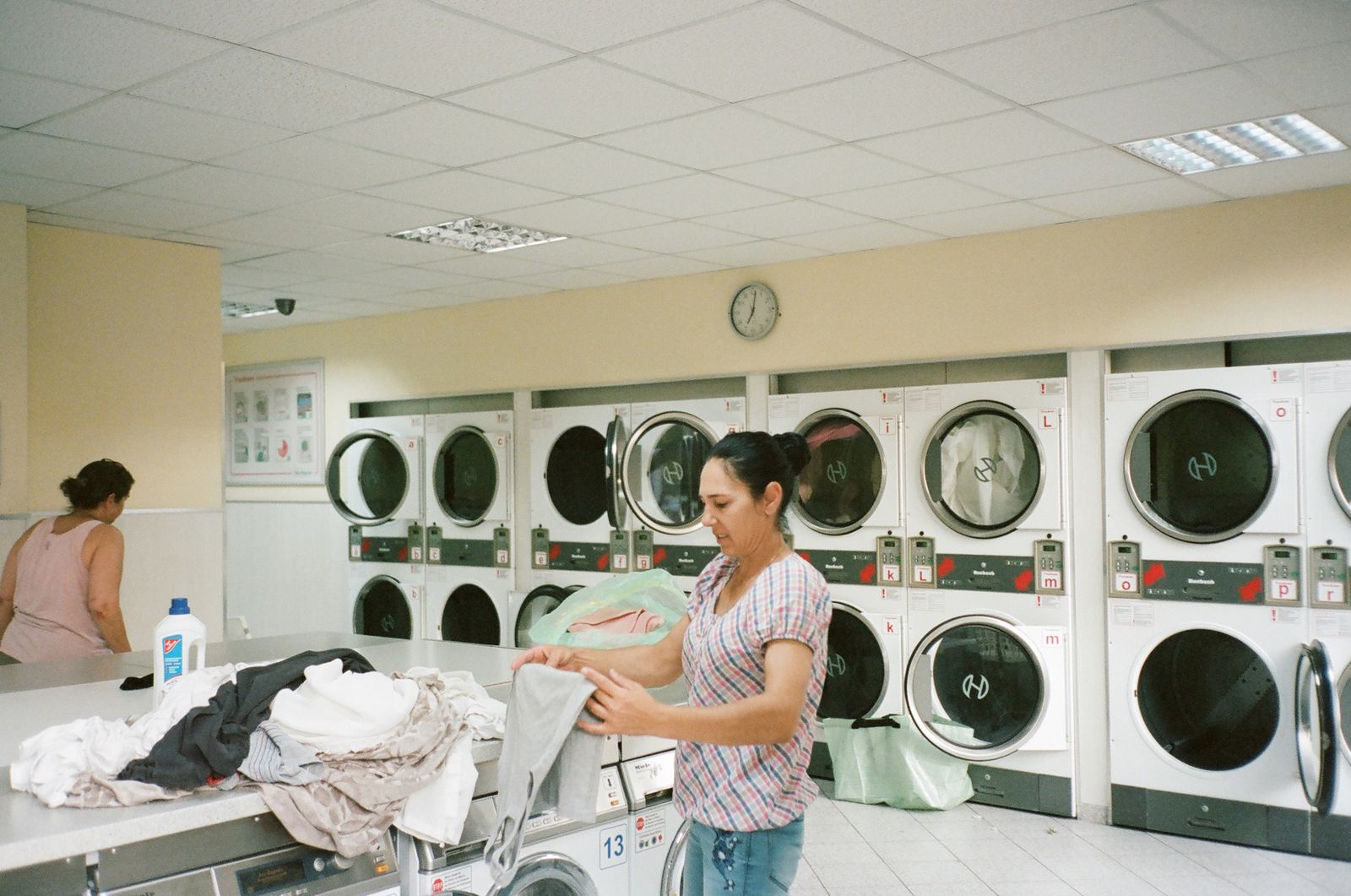
What you can stop doing
You can stop sorting by family member at the wash stage, unless the point is folding logistics later. You can stop separating ordinary colors into a rainbow of sub-piles once garments are proven colorfast; three piles carry the risk. You can stop washing socks and underwear as a sacred separate category; they ride fine with their weight class. Sorting is a risk-management tool, not a ritual. Spend the effort where the disasters live: dye, weight, and lint.
Common questions
Can I really wash everything on cold together?
Cold water reduces dye transfer, but it does not eliminate it, and it does nothing about weight or lint problems. A proven-colorfast, same-weight load is fine together; a new red towel in with white shirts is a gamble at any temperature.
Why do my black clothes always look faded and dusty?
Usually lint, plus abrasion. Wash darks inside out, apart from towels and fleece, and they keep their depth far longer. A lint roller treats the symptom; the sort treats the cause.
Do I need to sort for the dryer too?
The weight sort you did for the wash carries over, since loads matched by weight dry evenly together. The main dryer addition is pulling out anything that should air-dry before the load goes in.
Photos in this guide are representative stock images.
← All guides from Forest City Coin Laundry← Back to Forest City Coin Laundry