Detergent dosing has a built-in trap: the cap's largest line is printed for the largest, dirtiest load the manufacturer can imagine, and most people pour to it for every load they run. In a high-efficiency machine, which nearly every laundromat washer is, that pour can be double or triple what the load can use. The excess does not make clothes cleaner. It makes them dirtier in a slower, harder-to-diagnose way, and it is one of the most common causes of the complaint that laundry comes out smelling worse than it went in.
This is a cost-of-neglect story in miniature: a small daily excess, compounding quietly into residue, odor, and machine wear.
What the extra detergent actually does
Detergent cleans by surrounding soil and holding it in the water so it rinses away. Once every soil particle is captured, additional detergent has nothing to bind to, and it stays in the fabric as residue. That residue is slightly sticky, so the finished load picks up dirt faster in wear. It traps body oils and odor in towels and athletic wear, which is the mechanism behind towels that smell sour the moment they get damp. It stiffens fabric over time, dulls colors under a gray film, and can irritate sensitive skin, particularly in children. In the machine, chronic overdosing coats the drum and hoses with a soap-and-lint film that itself becomes an odor source, so eventually even a correctly dosed load picks up the smell of the machine.
Suds are the misleading signal. A mountain of foam looks like cleaning power, but in an HE machine excess foam actually cushions the tumbling action that does the mechanical cleaning, and modern detergents are formulated to clean with very little visible suds. A wash with almost no foam showing in the window is usually a correctly dosed wash.
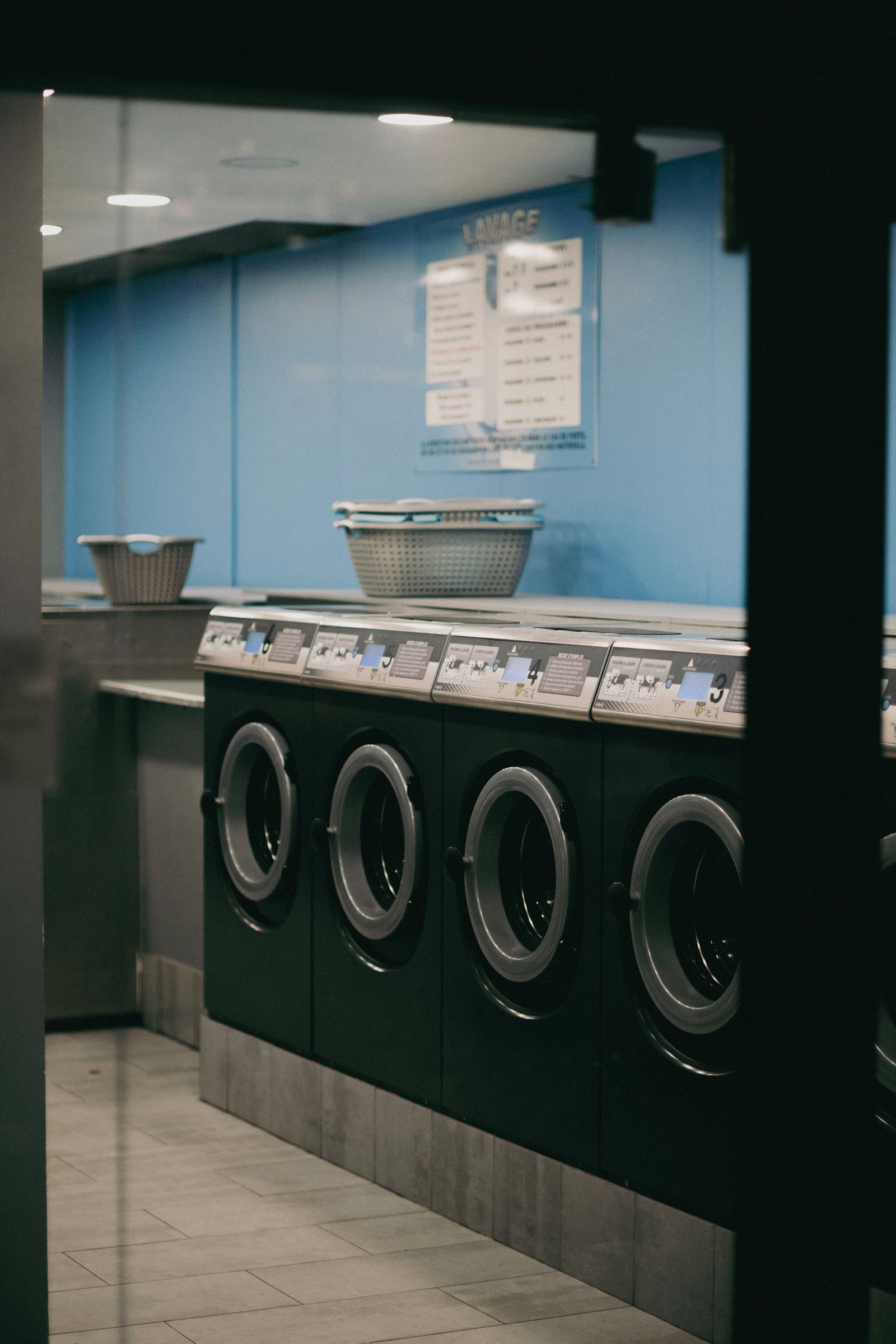
Reading the cap honestly
The lines on the cap correspond to load size and soil level, and the fine print says so. A small or lightly worn load takes the lowest line. The top line is reserved for a full drum of genuinely dirty laundry: work clothes, sports uniforms, the load with actual ground-in soil. Water conditions matter too. Soft water needs less detergent because nothing is competing with the soap; hard water needs somewhat more. Most municipal water around Forest City sits in the middle, which argues for the middle lines as a default. Pods simplify the question for standard loads, since the dose is fixed, but a pod in a small load is still an overdose, and two pods for a big load is often the manufacturer's design rather than generosity with soap.
Fixing a load that is already built up
If your towels have the sour-damp smell or your clothes feel filmy, the laundry itself has a residue backlog, and one careful wash will not clear it. Run the affected items hot, if the fabric tolerates it, with no detergent at all, and watch the water: suds appearing in a soapless wash are the residue leaving, which is both the diagnosis and the cure. A cup of white vinegar in the rinse helps strip buildup on towels. Then restart with a measured small dose and see whether the problem stays gone. At a laundromat like Forest City Coin Laundry, the machines are maintained and rinsed between users, so a load that smells fine leaving the shop and sour by Friday is telling you the residue lives in the fabric, and the soapless hot wash is the reset.

The short version
Measure, do not pour. Start with half what you have been using if you have been free-pouring, and judge the result by how the laundry feels and smells when it is damp, not by the foam during the cycle. Detergent is a tool with a correct dose, like salt in cooking: enough transforms the result, and twice enough does not transform it twice. It just leaves something behind that you pay for later.
Common questions
How can I tell if I am using too much detergent?
Signs include stiff or filmy fabric, towels that smell sour when damp, colors going gray, and suds visible late in the cycle. A soapless hot wash that still foams confirms residue in the fabric.
Do pods dose correctly?
For a standard load, generally yes. The risk is using a full pod for a small, lightly soiled load, where it is still more soap than the water can rinse clear.
Will using less detergent leave clothes dirty?
Not at the correct dose for the load. Cleaning comes from detergent, water, heat, and tumbling together. Overdosing only adds residue; it does not add cleaning beyond the point the soil is captured.
Photos in this guide are representative stock images.
← All guides from Forest City Coin Laundry← Back to Forest City Coin Laundry